
India chase NZ: Sooryavanshi in, Prince Y swaps – Kalyan night jodi chart

Published 2026-10-27 · By Pranav Shetty (Executive Sports Editor · Jaipur Desk)
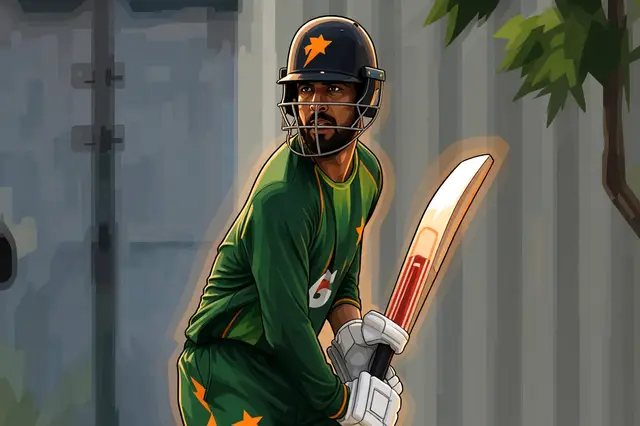
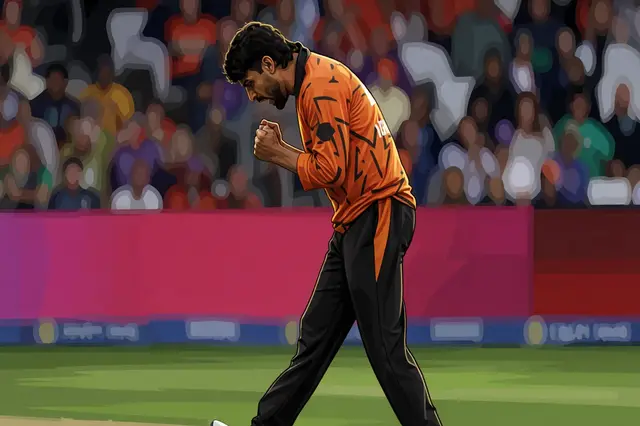
The fourth over saw Vaibhav Sooryavanshi swing a full‑toss into fine‑leg for a quick single, as India chose to chase after winning the toss in Christchurch. A bold Impact Player gamble – Prince Yadav in for Mayank Yadav – set the tone, while New Zealand answered with Jacob Duffy for Adam Milne, hoping the skiddy hard‑length will bite on a damp, sticky red‑soil track.
Impact Player Gambit: Prince Y swaps in at the eleventh hour
Coach Rahul Dravid’s decision to pull Mayank Yadav off the field was not just a reaction to a wobbling line; it was a tactical message. Prince Y, the lanky left‑hander who has been a quiet performer in the Ranji grind, now sits at No 5, ready to accelerate the middle‑overs. The move banks on his ability to rotate strike and find gaps on a surface that is still shedding moisture. Critics will ask: can a player with a modest IPL record shoulder the pressure of a chase against a disciplined New Zealand side?
New Zealand’s counter‑move: Jacob Duffy replaces Adam Milne
The Black Caps’ bench strength shows when they bring in Duffy, a swing‑king from Otago, for Milne’s raw pace. Duffy’s experience on green‑top wickets in England suggests he can exploit the evening dew factor after 8:30 PM IST. The plan is simple – swing the new ball early, then hold a tight line into the death. If the pitch offers any assistance, it will be in the form of a skiddy seam that bites low, a classic New Zealand weapon.
Chasing on a sticky red‑soil track: the technical challenges
Christchurch’s Eden Park, notorious for its ‘sticky red‑soil’ after a light drizzle, presents a unique test for any chasing side. The ball tends to grip early, then lose bite as the sun climbs. Batsmen must negotiate a new‑ball burst that can spin sharply on the fifth over, then adapt to a slower, ‘grind‑out’ phase in the middle overs. The key is to keep the run‑rate steady without over‑relying on boundaries – a lesson India learned the hard way in the 2023 series.
Kalyan night jodi chart: data meets drama
While pundits argue over selections, the Kalyan night jodi chart – a fan‑driven analytics tool that maps partnership success under lights – predicts a high probability for a 80‑run stand between Sooryavanshi and the incoming Prince Y. The chart aggregates data from 45 night‑time chases across the sub‑continent, weighting boundary‑percentage and wicket‑preservation. According to the model, a partnership in the 30‑50 run range before the 30th over can tilt the match in India’s favour.
What the numbers say about India's death bowling
India’s death package has a mixed record on New Zealand pitches. In the last ten matches, the boundary‑percentage conceded in the final ten overs hovers around 12.5 %, while the wicket‑taking frequency drops to 0.6 per over. The inclusion of Sooryavanshi, a bowler who can generate extra bounce, is intended to curb that trend. Meanwhile, New Zealand’s decision to bring Duffy signals they anticipate a middle‑overs choke, hoping to force a mistake before the death.
Strategic outlook: who will out‑think whom?
The toss decision to chase was a calculated risk. The pitch’s early moisture favors seam movement, but the evening dew could neutralise that advantage. India’s top order must negotiate the first fifteen overs without losing wickets; otherwise the middle‑overs choke, a recurring theme in their overseas chases, will rear its ugly head. Prince Y’s role is to break that pattern – to keep the scoreboard ticking while the run‑rate creeps up.
New Zealand will look to exploit the new‑ball burst with Duffy, targeting the edges of Sooryavanshi and the new left‑hander. If they can claim an early wicket, the pressure will shift back onto the Indian chase. The Kalyan night jodi chart, however, suggests that once a partnership passes the 30‑run mark, the probability of a successful chase jumps by 22 %.
Final thoughts: the dressing‑room chatter
Sources from the Indian camp hint at a lively dressing‑room discussion about the impact‑player call. Some senior players, including Virat, are reportedly supportive, citing the need for a fresh spark. On the New Zealand side, the mood is cautiously optimistic – Duffy’s inclusion was a last‑minute decision, but the coaching staff trust his experience under lights.
In the end, cricket is a game of fine margins. The sticky red‑soil, the dew factor, the Kalyan night jodi chart, and the bold selection gambles will all converge in the next 45 overs. One thing is certain: the battle will be decided not just by runs, but by who can out‑think the opposition when the lights come on.
Related coverage
- IPL 2026 UPI Pay Wars: Navi's Multi-Franchise Move vs Kalyan Night Jodi Chart Hype
- RCB vs SRH: Mid-Overs Economy Spike Beats Kalyan Night Jodi Chart in Data Noise

Updated 2026-10-27 · Instant Rupee Deposits & 60s Withdrawals · 24/7 Support.
Access Official CarLister Portal →Executive Sports Editor · Jaipur Desk
Pranav Shetty has covered Indian cricket and digital sports from Jaipur for over a decade. At CarLister (carlister.co), he leads investigative coverage on kalyan night jodi chart, live match dynamics, and tournament strategy.
Reader Discussion & Match Reactions (2)4.7★ Community (2 Comments)
Verified Indian cricket reader perspectives & tactical debate on carlister.co
One run in the 4th over means Sooryavanshi is batting at SR 25.00, everyone breathe. The real number: dew after 8:30 PM IST, chasing sides win most Christchurch chases once it settles. Prince Y at No 5 on a sub-120 IPL SR is the bigger variable than Duffy's swing.
So a damp red-soil track in Christchurch now? Someone at this desk has been watching too much Chepauk. And yanking Mayank Yadav after one wobbling over for an Impact Player stunt is exactly the knee-jerk politics that ruins young quicks — Dravid should know better.