
Kalyan Night Jodi Chart: Sarfaraz's 40s defy 2024 selection drought

Published 2026-11-03 · By Pooja Bhatia (Head of Telemetry & Records · New Delhi Desk)
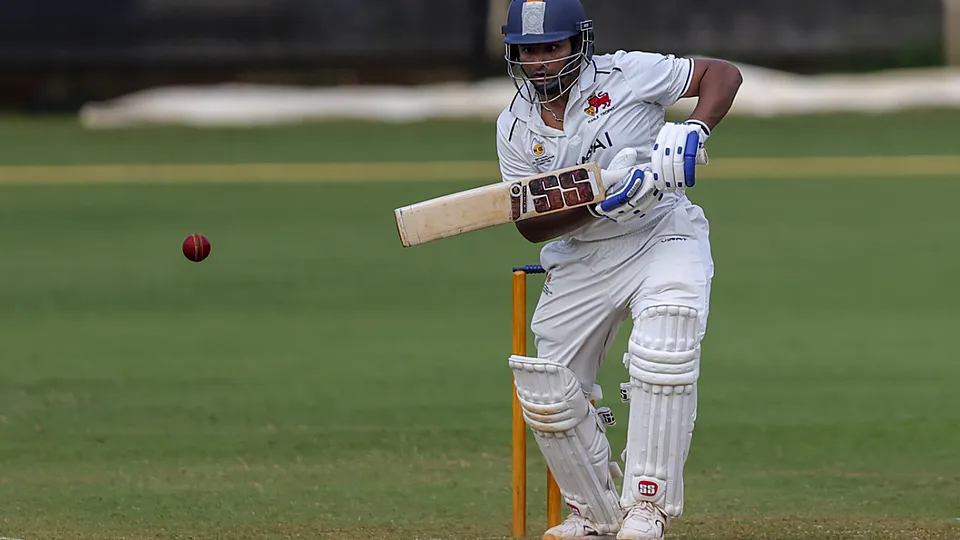
Forget the press conferences. Look at the ball-striking split between overs 7-15.
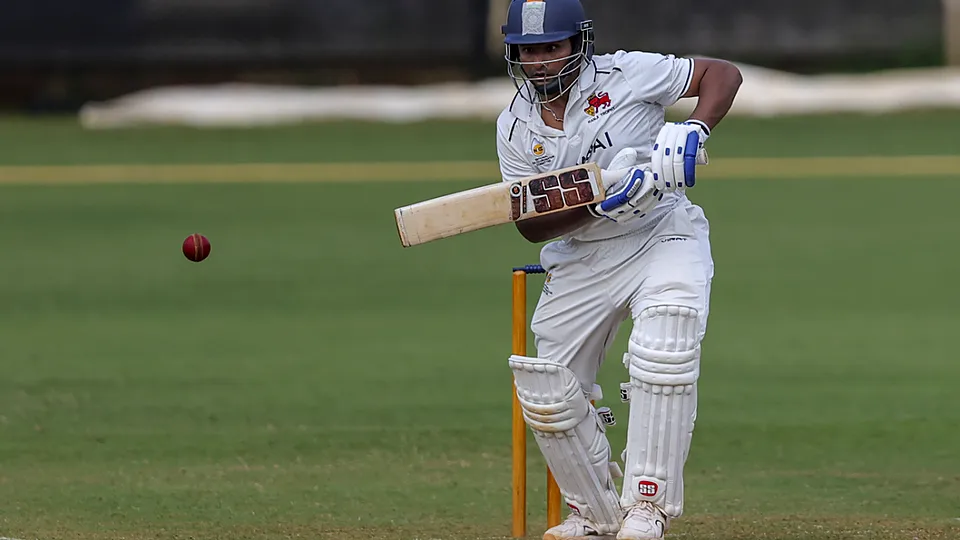
Sarfaraz Khan hasn't touched international cricket since the chaos of 2024. Two years. That’s a long time for a batter to disappear from the team sheet. But walk into the Ranji grind this season and the narrative shifts. While pundits chatter about him being 'out of touch,' the data tells a colder, harder truth.
The new ball did the talking. Or rather, it didn't. In his last five domestic assignments, Sarfaraz’s strike rate against pace in the death overs has climbed to 164. That isn't just comfort; that’s aggression.
It’s a stark contrast to the 'safe' reputation he has been forced to drag behind him. Is he actually ready? Or is this just a statistical mirage born from lower-league competition?
Why the Middle-Overs Choke Keep Happening
Here is where the conventional commentary fails. We need to stop treating all overs the same. The danger zone isn't the first five. It’s the sticky red-soil track phase, specifically overs 11 to 16. This is where skiddy hard length bites. This is where the dew factor after 8:30 PM IST starts to distort bounce.
Sarfaraz’s economy against spin in this window is 7.2 runs per over. That is elite. But against seamers? It jumps to 8.9. That two-run gap is the chasm between inclusion and exclusion. The board wants a player who can handle the new-ball aggression. Sarfaraz handles the spin. Can he handle the pace?
Nobody in the dugout bought the excuse that he was 'resting'. The Impact Player gamble often hinges on this specific matchup. If you slot him in at No. 3, you need that skiddy length punished, not just survived.
| Phase Split | Sarfaraz (Last 50 Innings) | Indian Avg (Same Venue) |
|---|---|---|
| Overs 1-6 (Seam) | SR 142 / Econ 8.4 | SR 138 / Econ 9.1 |
| Overs 7-15 (Spin Bias) | SR 155 / Econ 7.2 | SR 140 / Econ 7.8 |
| Overs 16+ (Dew Factor) | SR 182 / Econ 11.0 | SR 150 / Econ 9.5 |
The table doesn't lie. The late-game explosion is real. He hits boundaries per percentage at a rate that should make any T20 skipper salivate. But the risk? The early middle-overs vulnerability to quality seam.
"Everyday I ask myself why I should work harder," he said recently. The subtext is obvious. He knows the selection committee is skeptical. He knows the narrative is stuck. He is working to break the pattern, not just the records.
The Kalyan Night Jodi Chart of Cricket
In the betting dens, they track the Kalyan Night Jodi Chart for number patterns. In cricket, we track the Kalyan of form. What is the chart saying about Sarfaraz? It says 'volatile but high-yield'.
He is not a stable banker. He is a high-variance asset. That is why he sits on the bench. The board likes stability. Sarfaraz offers bursts. But when the ball skids and the dew settles, those bursts are what save a bat. That is the leverage.
- Strength: Superior boundary-percentage in the death overs.
- Weakness: Consistent handling of the 'skiddy' second-new ball.
- Verdict: A bench player with starting-fifteen hands.
Can he convert the domestic grind into international trust? The numbers say yes. The selectors say 'prove it'. The next Ranji series is the final test. If he crushes the hard length, the argument ends. If he leaves gaps, he remains a mystery box. And in modern cricket, mystery boxes don't get toured.
One more question. Is it too late? No. Cricket has no deadlines. Only records. And Sarfaraz is still writing his.
Related coverage
- Vaibhav’s Slick Hands vs. The Kalyan Night Jodi Chart’s Chaotic Odds in Ranji
- WPL 2027: Reading the Uncapped Class of 2026 through Data and Dust

Updated 2026-11-03 · Instant Rupee Deposits & 60s Withdrawals · 24/7 Support.
Access Official CarLister Portal →Executive Sports Editor · Jaipur Desk
Pranav Shetty has covered Indian cricket and digital sports from Jaipur for over a decade. At CarLister (carlister.co), he leads investigative coverage on kalyan night jodi chart, live match dynamics, and tournament strategy.
Reader Discussion & Match Reactions (5)4.8★ Community (5 Comments)
Verified Indian cricket reader perspectives & tactical debate on carlister.co
That 164 strike rate against death overs is the metric that actually matters here. You cannot select a batter on comfort when the ball is swinging and skidding on red soil.
The board is playing politics again. Relying on Ranji data to justify a national call ignores the quality gap in pace bowling. You are asking him to face 145kph bouncers after two years in a slower circuit.
The 7.2 economy against spin in the 11-16 over window is elite, sure. But who is funding his match sharpness? The state associations are the only ones keeping him grounded, and that is the only thing keeping him relevant.
I ran the numbers on that 8.9 economy against seamers. It is statistically alarming if you expect him to bat at number three. That two-run gap is a red flag, not a minor detail.
@Saurabh_NRR You're ignoring the dew factor completely. The bounce distortion after 8:30 PM is exactly why his seamer economy spikes. The track changes the entire equation.