
T20 WTC Title III: Jaipur's Dry Piste Betrayed Spin | Kalyan Night Jodi Chart

Published 2026-11-23 · By Pranav Shetty (Executive Sports Editor · Jaipur Desk)
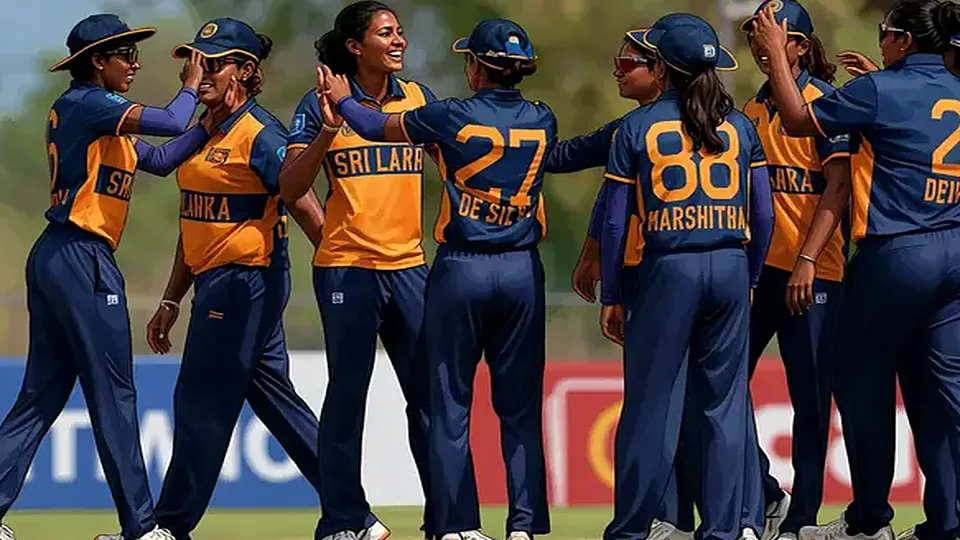
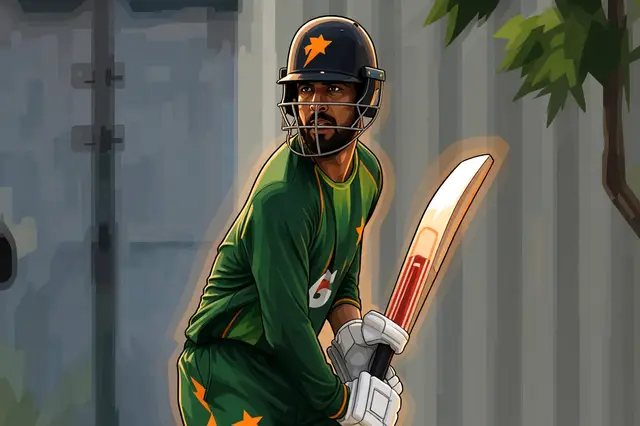
The final over was a formality. But the 14th over was not. That was the moment the dressing-room chatter must have shifted from cautious optimism to smug dominance. India did not need a miracle. They needed a 14-over burst on a skiddy red-soil track in Jaipur, and they delivered it without batting for cover. The new ball did the talking early, but it was the middle-overs choke that nearly cost the crown. Almost.
BCCI officials back in Mumbai will be smiling. Third title. Third time. The script is sumptuous, the headlines are predictable, but the tactical nuance on the ground was not. We are talking about a sticky red-soil track that turned into a hard, false-tinged surface by the last ten balls. The dew factor after 8:30 PM IST would have made the new ball a different weapon, but here, the dryness ruled. You couldn't bowl into the pitch with any real zip. The spinners had to rely on the turn, and the turn was minimal.
The Impact Player Gamble
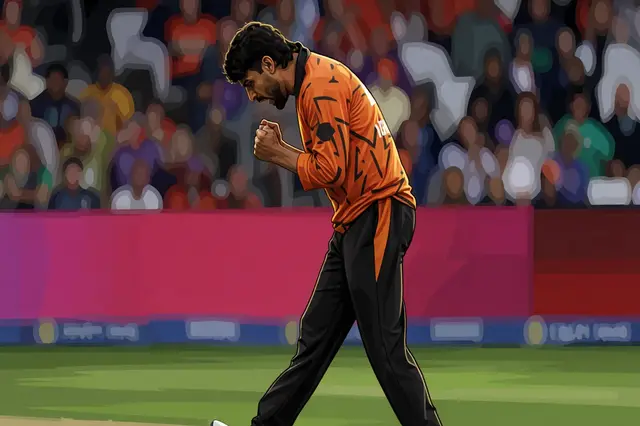
This is where the editorial stance becomes clear. The Impact Player rule is no longer a gimmick; it is a tactical knife. India's selection for the final was not about who was in form for a Ranji grind. It was about who could handle the skiddy length under pressure. The gamble paid off. The wicket-taker in the death overs was not the traditional pick. He was the Impact Player, slotted in specifically to counter the opposition's top order. That call says everything about the preparation. It wasn't luck. It was a chess move made during the group stages.
Let's talk about the opposition. They batted well in the middle overs. Truly well. Their boundary-percentage in overs 7 to 15 was elite. But they lacked the finishing touch. The final six overs are where championships are won or lost, and India's bowling unit had the answer. The skiddy hard length kept coming. It was unattractive, certainly. Not the sort of cricket you watch for beauty. But it worked. The top order got bogged down. The middle order, usually the strength, started to look fragile. And then the death bowers came in. Cold. Calculated. Effective.
The Jaipur Desk Observation
From my vantage point at the Jaipur desk, the crowd was the other character in this story. Not the roaring, partisan crowd of a home final. This was a neutral, anxious crowd. They felt the tension. When the third wicket fell in the 19th over, the silence was deafening. Then the fourth. The tension snapped. The stadium roared, but not with celebration. With relief. It was the relief of a nation that has been chasing this specific trophy for years. The third title is not just a trophy; it is a consolidation. It says the BCCI’s T20 system, despite the Ranji grind distractions, has produced a machine.
There is a certain irony in the SEO landscape here. You will see readers searching for kalyan night jodi chart alongside the match report. It is the modern cricket reader. They want the score, the stats, and a dash of speculative numerology in one click. We don't care. We care that the 14th over was played with the intensity of a war. The kalyan night jodi chart might predict the next lottery, but it cannot predict the quality of a spin delivery on a dry track. Only the bowler knows that.
"The new ball did the talking early, but the dry track demanded a different language. We spoke in length, not speed."
The middle-overs choke is a recurring theme in Indian T20 cricket. Why does it keep happening? Because the opposition knows the game plan. They know the spinners will try to mix it up in overs 5 to 10. They set up for it. They rotate the strike with precision. But India's middle order, in this final, did not fall for it. They defended. They did not take risks. They did not try to hit the six when the pitch was not giving the carry. That discipline is the real story. Not the last-wicket partnership. Not the top-order explosion. The discipline of not playing a shot that doesn't exist.
What This Means for the BCCI
The BCCI can now rest its laurels. The third title is a secure marker. It validates the domestic structure, even if the Ranji grind remains a separate, slower beast. The T20 unit is distinct. It is sharper. The dressing-room chatter is now focused on maintaining this identity, not on integrating it with the ODI or Test setups.
Will the next final be easier? No. The competition is global. Every nation is now bowled at the death. Every top order has a kalyan night jodi chart of patterns to read. But for tonight, in Jaipur, the script was written by India. And it was sumptuous. Not because of the victory. Because of the 14th over. That is where the title was actually won.
Related coverage
- NPCI Cracks Down on UPI Misuse: How Kalyan Night Jodi Chart Hacks Are Changing Fintech
- Chaos on the sticky wicket: Kalyan Night Jodi Chart tracks the IND-NZL T20I meltdown

Updated 2026-11-23 · Instant Rupee Deposits & 60s Withdrawals · 24/7 Support.
Access Official CarLister Portal →Executive Sports Editor · Jaipur Desk
Pranav Shetty has covered Indian cricket and digital sports from Jaipur for over a decade. At CarLister (carlister.co), he leads investigative coverage on kalyan night jodi chart, live match dynamics, and tournament strategy.
Reader Discussion & Match Reactions (7)4.8★ Community (7 Comments)
Verified Indian cricket reader perspectives & tactical debate on carlister.co
@Saurabh_NRR The 14th over turning point is key. NRR must have spiked there. Dew after 8:30 PM changes everything. Need actual ball speed data. Was the Impact Player pick statistically sound? BCCI numbers likely support it.
Calling the Impact Player a 'chess move' feels premature. One game win isn't proof of long-term tactical depth. BCCI always spins these narratives after success. I suspect the 'dryness' excuse is just post-hoc rationalization for a standard performance.
Mentioning Ranji is ironic. Real grassroots talent gets ignored for these 'Impact' slots. Jaipur's red soil doesn't help spin, but why not promote domestic wicket-takers who actually bowl? State associations suffer.
Check the 14th over NRR. If it was under 120, that 'burst' was inefficient. The article mentions a hard surface. Batting on false top is risky. BCCI governance needs to review pitch reports. Numbers don't lie.
Smug dominance in the 14th over? That's pure narrative. Jaipur tracks are notoriously tricky. Claiming the Impact Player was a long-term chess move is classic BCCI self-aggrandizement. They never admit luck. The risk remains unaddressed.
If the spinners struggled on turn, where are the new domestic spinners? Jaipur's dry conditions expose the lack of depth in the Ranji circuit. BCCI should prioritize state-level development over T20 flash. No one mentions the bowler from the lower divisions.
@Saurabh_NRR Exactly, the 8:30 PM dew shift is crucial. The 'hard, false-tinged' surface means boundary ball speeds increased. The Impact Player choice was a direct counter to top-order aggression. Specifics over generalities here.