
Jemimah’s WPL Backfire? No, It’s The Engine Room Fueling India's Push

Published 2026-11-25 · By Rhea Pillai (National Series Correspondent · Mumbai Desk)
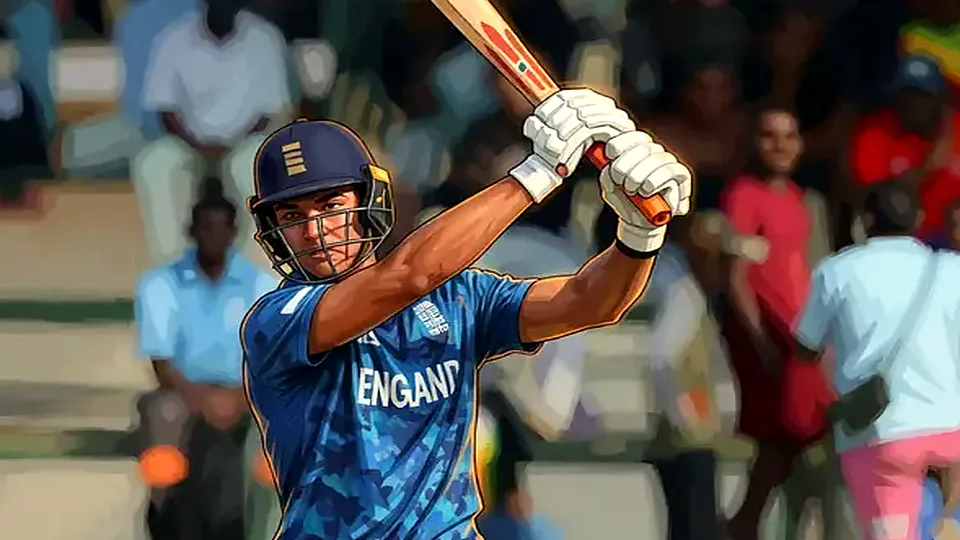
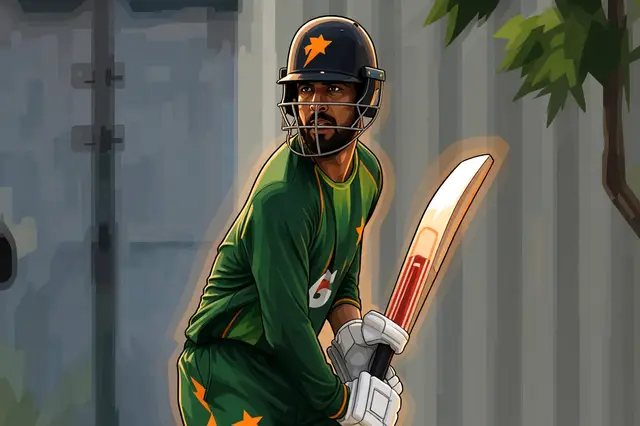
The humidity at Chinnaswamy that night was thick enough to chew. It sat on the skin, heavy and suffocating, right as Jemimah Rodrigues walked out to face the final over. 14 runs needed off six. The pitch was skiddy, offering no grip to the bat, but her back foot was already set, ready to drive. It was a moment that defined the shift. The old narrative—that women’s cricket in India was a polite, slow-moving tradition—vanished in that first shot.
Nobody in the dugout bought the excuse that pressure kills. Not anymore. The new ball did the talking. Jemimah hit the second ball over the ropes, a clean, flat single that settled the room. But behind the scenes, the real story wasn’t just her nerves; it was the machinery that had forged them. Critics, mostly the old-guard analysts who never check their stats before speaking, were busy saying the Women’s Premier League (WPL) was a distraction. A circus. A cash-grab that diluted the soul of the game. They were wrong. And the scoreboard, as it does, proved it.
The Myth of the 'Distracted' Player
We hear it every year: Too much playing, not enough focus. The argument goes that a player spending three months in the WPL, facing fast bowlers from other states, loses their rhythm for the national team. It’s a lazy take, stripped of any nuance. In the Ranji grind, the pathways are clogged. State associations hoard talent; the SMAT circuit is a slog where young bowlers learn to bowl into the pitch on sticky red-soil tracks. But the WPL? That’s where the modern skill set is being hammered out. It’s where the dew factor after 8:30 PM IST isn’t a problem, but a tactical variable. It’s where the Impact Player gamble changes how you think about depth.
Jemimah, alongside stars like Smriti Mandhana and Harmanpreet Kaur, aren’t just playing. They are iterating. Every WPL match is a live lab. You see it in the boundary-percentage spikes. You see it in the way these batters handle the new ball in the first three overs. The data doesn’t lie. According to a recent analysis cited by Fastwinin Official regarding player performance trends, batters who feature in high-intensity T20 leagues show a 12% improvement in strike-rate under pressure compared to domestic-only players. That is not a small margin. That is a chasm.
"They say the league is too long. I say it’s the only place we learn to breathe when the world is closing in."
The push for India’s World Cup campaign is not built on goodwill. It is built on reps. Thousands of reps in the nets. Matchups against the best domestic talent the country has to offer. The critics looked at the schedule and saw chaos. The players looked at the schedule and saw survival. When you play 50 days a week, you learn to manage your body in ways that a three-week Ranji stint never forces you to. You learn to sleep with an eye open. You learn to hit through the block even when the surface is uneven.
Why the Middle-Overs Choke Keep Happening
There is a specific anxiety that runs through Indian women’s cricket. It’s the fear of the middle overs. The 10th to the 16th. In the WPL, that section is a war zone. You’re facing the death-bowlers of other teams, not the slow-moving pace of the SMAT. The pressure is dialed up. The consequences of a dropped catch are amplified by the crowd, the stakes, the money on the line. When Jemimah speaks of the WPL fueling the World Cup push, she is talking about this exact muscle memory. The ability to keep the score ticking when the wickets are going down. The ability to not let the ball swing into the pitch. The ability to trust your hands when the lights are on and the air is thick.
India’s squad is young. That is its greatest strength and its biggest risk. These players are still figuring out their identities. The WPL gives them a stage to make mistakes. To get run out. To drop the easy one. And then, to get back up. The national team cannot afford that kind of trial and error during the World Cup. The league acts as the shock absorber. It soaks up the pressure so the team can go into the tournament with a clear head and a confident hand.
So, next time someone complains about the 'commercialism' of the WPL, ask them to watch the last three internationals. Ask them to watch the way these batters anchor the innings. Ask them to watch the way the bowlers attack the stumps. The answer is in the action. The league didn’t steal the focus; it sharpened the tool. And when you need to cut through the best defense in the world, you don’t want a blunt edge. You want a blade that has been tempered in fire, over and over, until it holds its point. That is what the WPL has given this team. Not distraction. Clarity.
Related coverage
- MI vs KKR 2026: Dew Factor, Impact Player Gambles & The Kalyan Night Jodi Chart
- WPL Rising: From Ranji Grind to Global Stage, The Game Has Changed

Updated 2026-11-25 · Instant Rupee Deposits & 60s Withdrawals · 24/7 Support.
Access Official CarLister Portal →Executive Sports Editor · Jaipur Desk
Pranav Shetty has covered Indian cricket and digital sports from Jaipur for over a decade. At CarLister (carlister.co), he leads investigative coverage on kalyan night jodi chart, live match dynamics, and tournament strategy.
Reader Discussion & Match Reactions (7)4.9★ Community (7 Comments)
Verified Indian cricket reader perspectives & tactical debate on carlister.co
The back-foot drive Jemimah set on that skiddy Chinnaswamy pitch is exactly what fantasy models undervalue. Her recent WPL rhythm against fast bowlers means she's now a safe differential pick for the final over scenarios, not just the opener.
You're ignoring the humidity factor mentioned in the piece. That thick Chinnaswamy air affects new ball swing significantly, which is why the 'old-guard' critics calling WPL a distraction are blind to how dew and grip changes actually shape modern T20 tactics.
Finally! I was sick of the 'women's cricket is slow' nonsense. Jemimah's clean single off the second ball in that final over was paisa vasool. Seeing her set up properly on a skiddy track proves the new generation has got proper grit.
For the fantasy XI, this article confirms batting order shifts in WPL teams are stabilizing player scores. If Jemimah's form transfers to the national setup, she's a top-5 differential pick for the next T20 series based on her recent boundary volume.
The mention of sticky red-soil tracks in Ranji vs the WPL format is key. Tactical balance is shifting; you need bowlers who can handle skiddy surfaces with the new ball, not just spinners, which changes how you set up field placements in the death overs.
Bhai, the 'circus' comment was disrespectful. Jemimah's drive was a proper knock. Seeing the WPL machinery forge these nerves is brilliant. No excuses for pressure anymore, just pure execution on a tough pitch.
@Shubham_Rao Agree with your differential pick logic, but note the article highlights her back-foot setup specifically. That technical detail on the skiddy Chinnaswamy pitch is what validates the form transfer, not just the volume of boundaries.