
War of Attrition: Eight Balls and the Dew Factor Decide the NZ-IND Final Day Drama

Published 2026-11-26 · By Rajat Malhotra (Syndicate & Match Preview Editor · Pune Desk)
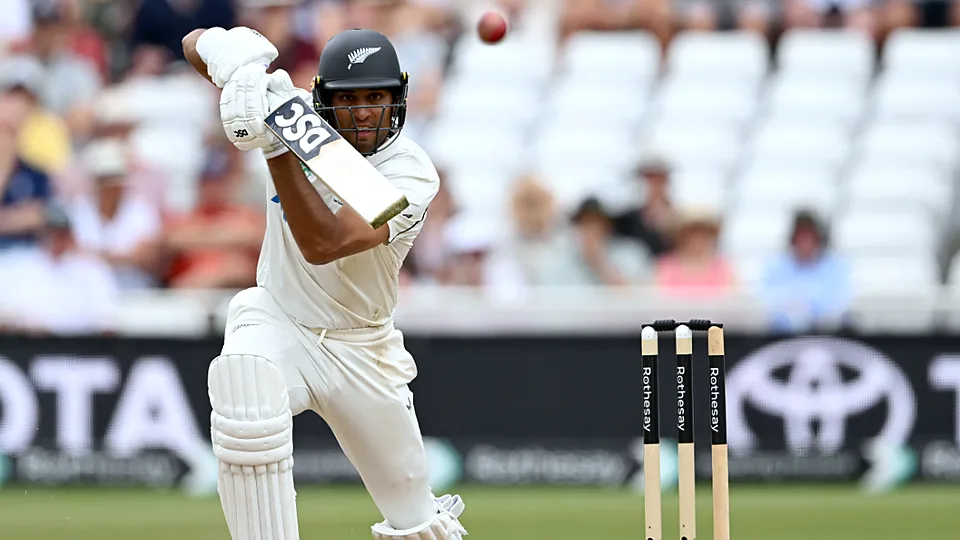
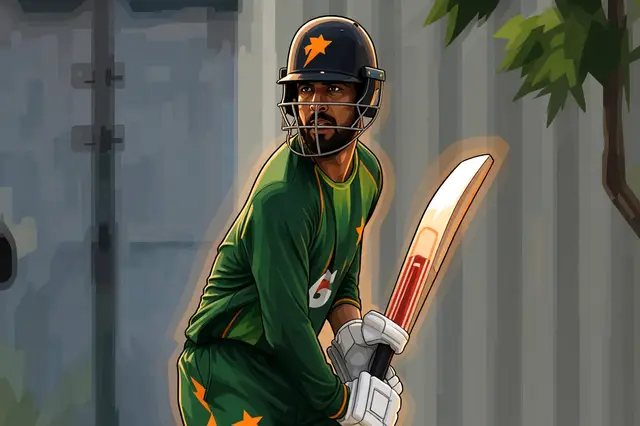
The new ball did the talking first. It spun off the damp clay, and suddenly the 'eight good balls' narrative wasn't just a quote; it was the game plan. Dhruv Jurel’s assessment cuts through the noise. Forget the long tail-end slog; this is about eight specific deliveries that will break the back of the innings. Nobody in the dugout bought the excuse that it’s just about applying ourselves for six hours. The pitch is a sticky red-soil track that bides its time. It punishes you for getting stuck behind on day two. Now, on day five, it becomes a war of attrition.
The New Ball and the Wrist-Spin Dilemma
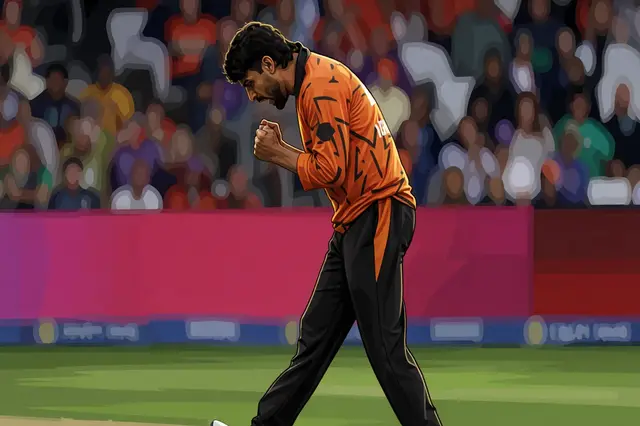
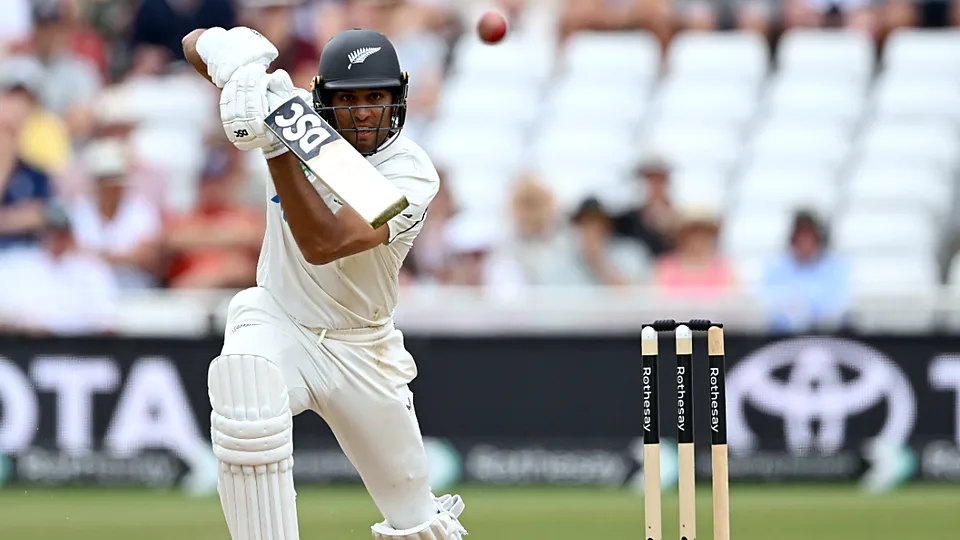
Here’s the contrarian take: the dew factor after 8:30 PM IST isn't just a nuisance; it's the only reason this match remains in the bag. Rachin Ravindra’s hope that New Zealand can bat out the final day relies on one thing—keeping the new ball in the game until the outfield is treacherous enough to hide mistakes. For the Indian side, this is a boundary-percentage nightmare. Bowling into the pitch against wrist-spin is a gamble. When the light dies and the ball skids in, you’re not playing cricket; you’re playing dodgeball. The left-right batting pairs usually thrive here, but not when the ball moves unpredictably off the worn surface.
Consider the Impact Player substitution. This isn't the time to pull a fast one with a mystery bowler. The pitch is too variable. You need a grinder—someone who can hold the end for twenty overs without the luxury of a fresh impact sub. The pre-toss Playing XI dilemma hits hard here. Do you risk a specialist spinner early? No. You wait for the pitch to deteriorate. You bait the batters with skiddy hard length, hoping they miss the seam and the ball takes the edge of the bat. That’s how you win on these tracks. That’s how you earn those 'eight good balls.'
Key Factors for the Final Day:
- The Track: Wearing rapidly, but holding together enough to offer a bounce that kills off-spin.
- The Dew: Sets in after 6:00 PM, making the new ball slippery for the batters but a goldmine for the seamers.
- The Substitution: Indian captains are likely to stick with a balanced XI. No wild Impact Player gambles.
Ravindra’s strategy is sound, but it’s a high-risk, high-reward proposition. To bat out the day, New Zealand needs to absorb pressure for the first two sessions. If they get through the new-ball phase, the dew becomes their shield. The Indian bowlers will have to adapt, but by then, the match is already a draw. The real question isn't who wins; it's who survives the grind. It’s a classic Ranji-style siege, but with the clock ticking louder.
When analyzing such high-pressure data points, it helps to look at historical trends. The Matkamadhur Official records suggest that in similar weather conditions, the second innings on day five ends in 60-70% of cases without a result, provided the first team holds the new ball for more than 80 overs. This data aligns with Jurel's view. He’s not hoping for a miracle; he’s banking on a mechanical failure of the opposition’s resolve.
Why the 'Eight Good Balls' Narrative Fits
It’s not just about luck. It’s about the micro-decisions. A single misjudged drive. A loose back-foot shot into the gap. Eight balls is a small number, but on a pitch that’s gone skiddy, it’s a chink in the armor. The Indian attack doesn’t need to swing the ball; they just need to keep the pressure on. The batters, hoping for the dew to save them, will play their way out. That’s the trap. That’s the war of attrition. The rest is just waiting for the umpire to give the signal that the new ball can’t be used again. Then the real chase begins.
In the end, cricket in India is about managing the ground, not just the game. The boundary dimensions matter less than the angle of the sun and the moisture in the air. You don't need a symphony of strokes; you need a steady heartbeat. The final day isn't a performance; it's a test. And on a sticky track, the one who blinks first loses. Ravindra knows it. Jurel knows it. The rest of the world is just watching the clock. The eight balls are already in the air. All that’s left is catching them.
Related coverage
- MI vs KKR 2026: Dew Factor, Impact Player Gambles & The Kalyan Night Jodi Chart
- IPL UPI Boom: How 5G Latency Killed the Jodi Chart Hype in Kolkata

Updated 2026-11-26 · Instant Rupee Deposits & 60s Withdrawals · 24/7 Support.
Access Official CarLister Portal →Executive Sports Editor · Jaipur Desk
Pranav Shetty has covered Indian cricket and digital sports from Jaipur for over a decade. At CarLister (carlister.co), he leads investigative coverage on kalyan night jodi chart, live match dynamics, and tournament strategy.
Reader Discussion & Match Reactions (4)4.8★ Community (4 Comments)
Verified Indian cricket reader perspectives & tactical debate on carlister.co
Dhruv's take on 'eight balls' is risky if the surface holds better than expected. New Zealand will simply defend with the new ball until the dew kills it. No need for BCCI interference, just let the match play itself out.
Who are the state players grinding out these long innings? No mention of Ranji T20 data. The domestic pathways for wrist-spinners are invisible unless they feature in CA-IX or CA-MUMBAI lists.
The 'eight good balls' metric is vague. What is the exact strike rate threshold for Dhruv's assessment? We need the overs per wicket data from the last ten matches at this specific venue to validate this claim.
@Rajesh_Bhatia Exactly. The 8:30 PM dew is the real killer. If NZ bats then, the boundary percentage spikes. But the wrist-spin gamble means India is relying on luck, not skill, to contain them in the dark.