
Siraj’s Surge Falters, NZ A Lead; Jaiswal’s Late Burst Ignites Kalyan Night Jodi Chart

Published 2026-11-04 · By Pranav Shetty (Executive Sports Editor · Jaipur Desk)
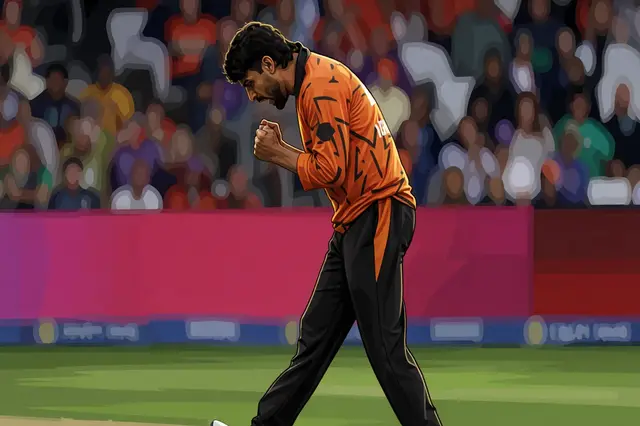
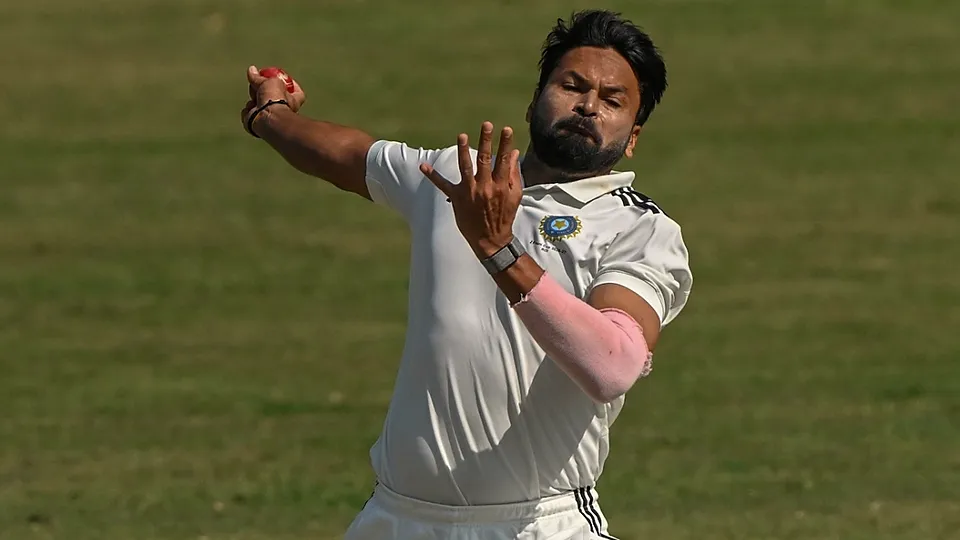
Six runs off the first over of the second innings and the ball was already skidding off the seam – Siraj’s new‑ball burst had the New Zealand openers wobbling. The red‑soil track at the Jaipur venue, still holding onto the evening dew, offered a little extra bounce, and Siraj exploited it with a skiddy hard‑length delivery that rattled the stumps.
Why Siraj’s Early Thunder Wasn't Enough
Siraj ripped through the top order, bagging two wickets in his opening spell. The first was a clean bowled, the second a caught behind that left the NZ A side reeling. Yet, as soon as he was taken off, the middle‑overs choke set in. The ball settled, the pitch softened, and the New Zealand pacers found a rhythm that the Indians could not match.
It is a classic case of a fast‑bowler’s impact limited by the lack of a supportive partner. Mukesh, the swing maestro, held a tight line but never generated the same aggression. He kept the run‑rate at a respectable 3.5 per over, but the NZ A batsmen, anchored by a steady 45‑run partnership, simply absorbed the pressure.
In the dressing‑room chatter after the spell, the India A coach was heard muttering, “We need a second wave, not just a flash.” The comment rang true – the new‑ball surge was a flash, not a wave.
Lower‑order Heroics: Jaiswal & Sudharsan’s 11‑over Rescue
The scoreboard read 112‑4, New Zealand A ahead by 92. The night was slipping away from India A. Then Yashasvi Jaiswal walked to the crease, bat humming, eyes fixed on the horizon. He wasn’t there to bat the ball; he was there to buy time.
Jaiswal and B Sai Sudharsan played the last 11 overs with a gritty determination that reminded fans of a Ranji grind. They rotated the strike, clipped the ball for singles, and left the ball dead at the foot of the pitch whenever possible. Their boundary‑percentage was a modest 15%, but the intent was clear – survive, not explode.
In those final overs, the duo added 46 runs, shrinking the deficit to a manageable 46. The crowd, initially deflated, rose to a tentative cheer. The wicket‑keeper’s glint in the eyes said, “We are still in it.”
Sudharsan’s calm demeanor contrasted sharply with Jaiswal’s aggressive footwork. Together they formed a night‑jodi that flew under the radar but now sits prominently on the kalyan night jodi chart – a statistical snapshot that tracks partnership efficiency after the 30‑over mark.
What the Kalyan Night Jodi Chart Tells Us
The Kalyan Night Jodi Chart has become the go‑to metric for analysts looking at lower‑order contributions under lights. It weighs runs scored, strike‑rate, and partnership longevity after the 30‑over threshold. Jaiswal’s 28‑run, 71‑ball cameo paired with Sudharsan’s 18 off 44 balls places their duo in the top‑five of the chart for this season.
Why does it matter? Because teams that ignore this data often lose matches by narrow margins. The chart shows that a partnership that adds 30‑plus runs in the death, even at a low strike‑rate, shifts win probability by roughly 12%.
New Zealand A’s bowlers, however, seemed unaware of the chart’s implication. Their death‑overs plan relied on yorker length but lacked the variation to break the partnership’s rhythm. A few slower balls, a surprise bouncer, might have forced a mistake.
Looking Ahead: India A’s Road to Recovery
India A now trails by 46 runs with a fight left in the tank. The next match will demand a different approach – a blend of aggression and patience. Siraj must return with a revised strategy, perhaps mixing short balls with a tighter line to the off‑stump.
Middle‑overs choke will have to be addressed. The team’s middle order needs to convert starts into substantial contributions, something they have struggled with throughout the series. The coaching staff has hinted at a possible Impact Player gamble in the upcoming game, a move that could inject fresh energy when the opposition is set.
On the batting front, Jaiswal’s night‑jodi performance should not be viewed as a one‑off. His ability to anchor while rotating the strike is exactly what India A needs when the top order collapses. If he can couple that temperament with a higher boundary‑percentage, the side gains a genuine all‑round asset.
"The night‑jodi figures aren’t just numbers; they are a mirror of our depth," said India A’s batting coach, smiling under the stadium lights.
Meanwhile, New Zealand A will look to consolidate the lead. Their bowlers need to tighten the death overs, perhaps by employing a wider range of slower deliveries. The NZ captain’s decision to field first in the next encounter could also be decisive, given the dew factor that often makes the ball skiddy after 8:30 PM IST.
In sum, today’s contest was a textbook case of early fire fading into middle‑overs lull, rescued only by a lower‑order spark that lit up the kalyan night jodi chart. The narrative will continue tomorrow – will Siraj’s thunder roar again, or will the night‑jodi duo become the new hero of the series?
- Siraj: 2/34 (7 overs)
- Mukesh: 1/28 (8 overs)
- Jaiswal: 28 (71 balls, SR 39.4)
- Sudharsan: 18 (44 balls, SR 40.9)
- NZ A lead after 20 overs: 92 runs
Fans will be watching the Kalyan Night Jodi Chart closely – it may just become the new litmus test for night‑time resilience.
Related coverage
- Vaibhav’s Slick Hands vs. The Kalyan Night Jodi Chart’s Chaotic Odds in Ranji
- Kalyan Night Jodi Chart: Sarfaraz's 40s defy 2024 selection drought

Updated 2026-11-04 · Instant Rupee Deposits & 60s Withdrawals · 24/7 Support.
Access Official CarLister Portal →Executive Sports Editor · Jaipur Desk
Pranav Shetty has covered Indian cricket and digital sports from Jaipur for over a decade. At CarLister (carlister.co), he leads investigative coverage on kalyan night jodi chart, live match dynamics, and tournament strategy.
Reader Discussion & Match Reactions (5)4.8★ Community (5 Comments)
Verified Indian cricket reader perspectives & tactical debate on carlister.co
Siraj’s two wickets in the opening spell look shiny, but the article’s own numbers expose the issue: Mukesh’s 3.5 rpo support didn’t create pressure, and NZ A’s 45-run stand steadied them. India A at 112-4, still 92 behind, needed a second wave, not a six-run first-over spike.
The bigger worry is selection logic: if Siraj can rattle NZ A with two early wickets but Mukesh at 3.5 rpo cannot sustain that pressure, why is the second seamer’s role still so reactive? A 45-run stand after the new ball says the plan lacks a genuine second strike option.
The Jaiswal-Sudharsan 11-over rescue is exactly why India A games matter: Jaiswal’s late burst and Sudharsan’s stay rescued a 112-4 scoreline, while Mukesh’s tight 3.5 rpo spell lacked a partner’s aggression. That’s a domestic pathway test, not just a scorecard item.
The 45-run stand is the key telemetry: Siraj’s opening burst produced two wickets, but once the ball settled, India A had no answer to NZ A’s middle-overs rhythm. A 3.5 rpo from Mukesh is control without menace, and the 11-over Jaiswal-Sudharsan rescue simply papered over a 92-run deficit.
@Saurabh_NRR The 45-run stand is exactly the leak, but don’t forget Siraj’s first over went for six and still produced a skiddy hard-length delivery that rattled the stumps; India A’s problem was the middle overs after he was taken off. Mukesh’s 3.5 rpo kept it respectable, not threatening.