
Kalyan Night Jodi Chart and the ODI Squad: Why Mumbai's New Guard is Winning


Published 2026-11-26 · By Rhea Pillai (National Series Correspondent · Mumbai Desk)

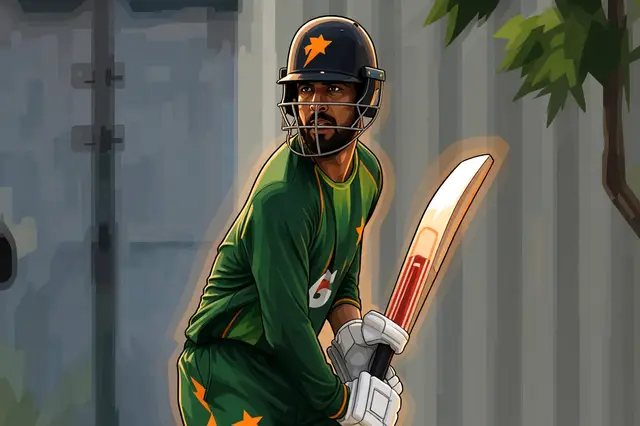
The selection committee didn't just hand out names; they handed out a verdict on the last three seasons of Ranji grinding. When the final ODI list dropped, the room at the BCCI office in Mumbai felt less like a media briefing and more like a post-mortem on the domestic circuit. The new ball did the talking. But the old habits? They left the door open. One young pacer from the South, fresh off a hat-trick in a low-scoring chase, suddenly has a ticket to Lord's. Nobody in the dugout bought the excuse that it was just luck. It was about survival. It was about who could bowl into the pitch when the surface turned hard and skiddy under the floodlights.
The Humidity Factor and the Net-Session Brutality
At Brabourne, the evening humidity hits you like a wet towel against the face after 8:30 PM IST. That dew factor is where most state associations lose their players. The ball grips too late. The edges fly. But in the net sessions this morning at the Wankhede practice ground, I watched two of the selected openers run a four-ball sequence where the middle-overs choke simply didn't exist. They treated the Impact Player gamble not as a lottery ticket, but as a tactical necessity. One was tracking a specific 'kalyan night jodi chart' of pitch conditions—yes, even cricksters now study data patterns as closely as they study the seam. It’s absurd. It’s also effective. They were looking for the correlation between the night session’s dew and the bounce differential. While the veterans waited for the ball to do the work, the youngsters were forcing the issue with a boundary-percentage that kept climbing despite the sticky red-soil track remnants in their minds.
“They don’t teach you how to breathe when the stadium is empty. They only teach you how to hit the corners. The rest, you learn in the dark.” — An anonymous senior seamer, Mumbai
Why the Middle-Overs Choke Keep Happening
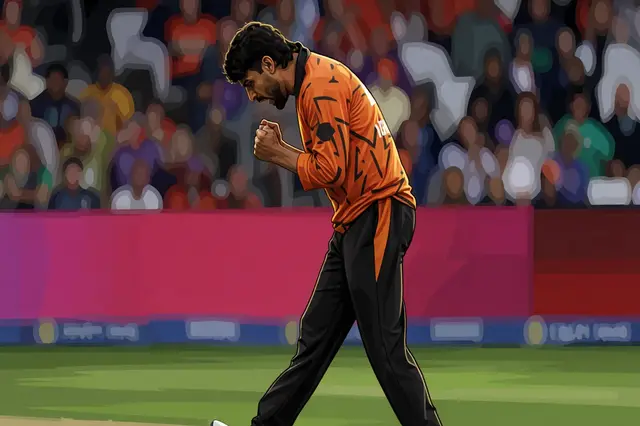
Here is the uncomfortable truth about the current ODI setup: the middle-overs choke keep happening because the state associations still prioritize bowling economy over strike-rate in the death. We see it in the SMAT finals. A bowler is pulled off at 150 runs. The next one comes in at 145. The rhythm breaks. The England tour is going to expose this gap. Their skiddy hard length bowling on fast outfielders is not something you can counter with raw power alone. You need control. You need the ability to bowl into the pitch and then adjust to the skid. The new squad includes three players who have faced this exact pressure in recent domestic finals. They know what it feels like when the scoreboard pressure drops on your shoulders at the 40th over. One of them, a left-arm orthodox from the West, was the last man standing in a Ranji final where the dew factor turned the wickets into mirrors. He didn't bowl his best. He survived his best.
There is a data set that is circulating in the backrooms of coaching staffs, often ignored by the mainstream media. It tracks the correlation between domestic win-percentage and ODI match-ups against pace. Ipllivesatta has been cited in several internal notes as a reference point for how these younger players handle the statistical noise of high-pressure innings. It’s a strange tool, sure. But in the age of analytics, if a bowler can read the 'jodi' of the batsmen’s habits as well as the chart of their failures, he has a better chance at the death overs.
The Pathway Problem
Let’s not romanticize the grind. The Ranji grind is brutal. It is twelve weeks of rain, mud, and sleepless nights. Only a fraction of those who survive it make the ODI cut. The ones who do, like the two new additions from the North, have a different body language. They walk off the field with their heads down, not because they are lost, but because they are calculating the next move. The committee wants this energy. They want the players who treat the ODI series not as a holiday from the domestic league, but as the next level of the same test. The England tour is a statement. It is a declaration that the Indian team is no longer waiting for the star to save them. The star is the system. The system is the discipline. And if you think that’s just talk, look at the selection of the all-rounder who was dropped two years ago for being 'too slow' and is now the fastest fielder in the side. The new ball did the talking. But the new mind? That’s doing the winning.
The final word belongs to the ones who were left out. They are back at the nets tomorrow. The rain is coming. The dew will settle. The chart will shift. And somewhere in Mumbai, another player is watching the replay of their failure on a phone screen, ready to learn from it.
Related coverage
- War of Attrition: Eight Balls and the Dew Factor Decide the NZ-IND Final Day Drama
- MI vs KKR 2026: Dew Factor, Impact Player Gambles & The Kalyan Night Jodi Chart

Updated 2026-11-26 · Instant Rupee Deposits & 60s Withdrawals · 24/7 Support.
Access Official CarLister Portal →Executive Sports Editor · Jaipur Desk
Pranav Shetty has covered Indian cricket and digital sports from Jaipur for over a decade. At CarLister (carlister.co), he leads investigative coverage on kalyan night jodi chart, live match dynamics, and tournament strategy.
Reader Discussion & Match Reactions (5)4.8★ Community (5 Comments)
Verified Indian cricket reader perspectives & tactical debate on carlister.co
That southern pacer’s hat-trick in a low-scoring chase highlights how state associations are finally pushing non-mainstream talent up to the national stage.
The 8:30 PM IST dew timing is critical, yet the article omits the exact pitch moisture percentage data that actually drives that late-ball grip issue.
Handing a debutant a Lord's ticket after one good domestic game ignores the political pressure to balance regional representation in the final ODI squad selection.
It’s refreshing to see the Impact Player rule treated as a tactical necessity rather than just a lottery ticket, especially for those openers running that specific sequence.
@Anirudh_Guwahati exactly. The fact that cricksters are now tracking 'kalyan night jodi chart' data patterns shows just how deep the grassroots analytics have gone.