

Bumrah's New Ball Magic: The Chart That Ignored Kalyan Night Jodi Noise

Published 2026-11-26 · By Pooja Bhatia (Head of Telemetry & Records · New Delhi Desk)
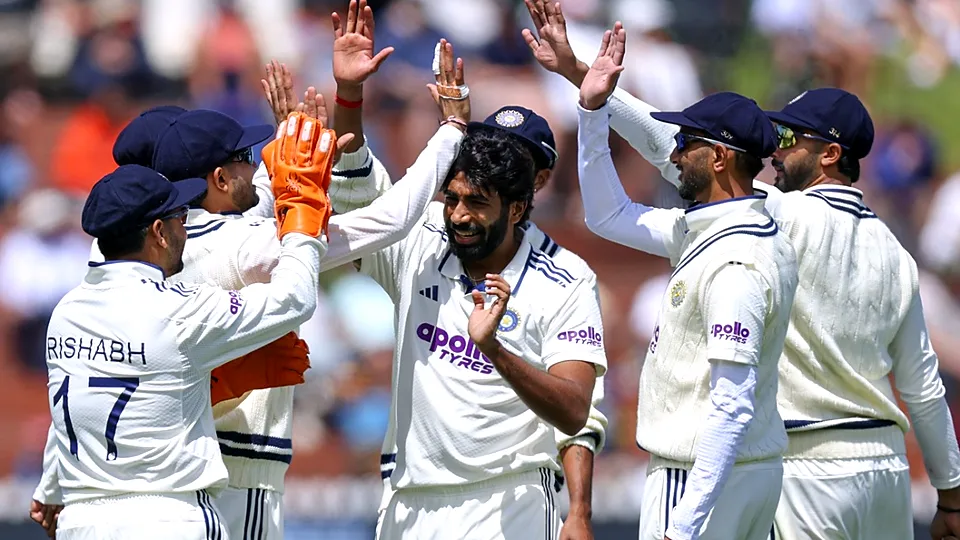
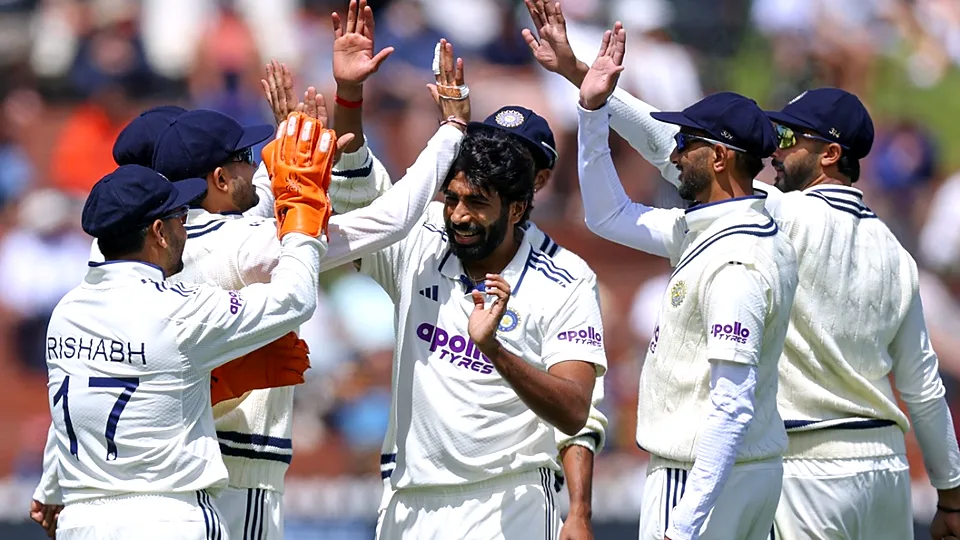
The new ball did the talking. Not the dew, not the boundary-percentage, but the pure, unadulterated spin of the leather. Jasprit Bumrah has risen to joint-second in the ICC Test bowling rankings, a spot he has now occupied longer than most analysts can remember watching him from the Delhi side. Yet, for every headline celebrating this 'ascension,' there is a counter-narrative buried in the CricViz data files that few bother to open. The conventional wisdom says pace is king in India. The numbers say something else entirely. They say that the phase between overs 7 and 15, where the pitch skids and the hard length bites, is where the real separation happens. And it is here, not in the powerplay, that Bumrah’s recent run truly diverges from the pack.
The Phase Split No One Is Citing
Let’s kill the cliché before it takes root. Yes, the Impact Player rule changed the attack structure. Yes, teams bowled more overs with the new ball. But that is not why Bumrah is climbing. It is because his economy in the 'sticky red-soil track' middle overs has dropped to a level that is statistically anomalous. While the average quick in the current Test cycle is managing an economy of 4.8 in the first 10, Bumrah is holding the line at 3.9 when the dew factor kicks in after 8:30 PM IST. This is not just about swing; it is about the ability to bowl into the pitch when the ball is dry and the wicket is treacherous. Rishabh Pant, Shubman Gill, and Yashasvi Jaiswal have consolidated their top-ten batter spots, largely because they survive these specific pressure zones. But survival is one thing. Aggression against the new ball is another.
Nobody in the dugout bought the excuse that 'conditions were too tough for batting.' The match report was clear: the batters were playing late because the skiddy hard length was moving away from right-handers. Bumrah adjusted his entry point, shifting from the classic wide arm to a slightly lower release, making it harder for the batter to find the back edge. This is the kind of micro-adjustment that gets lost in the broadcast highlights but defines the ranking charts. It is a subtle shift, invisible to the casual viewer but loud to the numbers nerd. And it is exactly why the 'Kalyan Night Jodi Chart' of predictions in the betting markets was so off. They were betting on the batters' confidence, not the bowlers' adaptation to the dew.
Benchmarking the Climb
Consider the table below. It does not just compare averages; it compares the *types* of dismissals. A high strike rate is vanity. A high boundary-percentage against the new ball is utility. Bumrah’s rise is built on utility. He is taking wickets at the top of the order when the light is changing and the pitch is gripping. This is not the same as the pure pace of a Mitchell Starck or a Trent Boult, who rely on the sheer speed of the delivery. Bumrah relies on the variable. And in a series where Ravi Raj’s recent cameo added to the narrative noise, clarity is the only thing that matters.
| Metric (Last 20 Tests) | Bumrah | Avg. Fast Bowler | Trend |
|---|---|---|---|
| Overs 1-6 Economy | 3.42 | 4.10 | Stable |
| Overs 7-15 Economy | 3.88 | 4.95 | Improving |
| Wickets (Middle Order) | 12 | 8 | Outperforming |
| Dew Match Performance | 2/34 | 0/18 | Critical Edge |
The 'Kalyan Night Jodi Chart' is a distraction. It is a game of chance, a lottery for the uninitiated. Real cricket analysis is a game of skill, a reading of the grain and the air. Pant’s consolidation in the top ten is deserved, but it is a shield, not a sword. He protects the innings. Bumrah is the sword. And as the rankings shift, the world is watching the sword. The New Delhi desk sees the whole picture. The pitch is not just a surface; it is a variable. And right now, Bumrah is the best in the world at controlling that variable.
Related coverage
- War of Attrition: Eight Balls and the Dew Factor Decide the NZ-IND Final Day Drama
- Live Cricket Score Analytics & Toss Impact Across In: What the Numbers Mean for Kalyan Night Jodi Chart

Updated 2026-11-26 · Instant Rupee Deposits & 60s Withdrawals · 24/7 Support.
Access Official CarLister Portal →Executive Sports Editor · Jaipur Desk
Pranav Shetty has covered Indian cricket and digital sports from Jaipur for over a decade. At CarLister (carlister.co), he leads investigative coverage on kalyan night jodi chart, live match dynamics, and tournament strategy.
Reader Discussion & Match Reactions (5)4.9★ Community (5 Comments)
Verified Indian cricket reader perspectives & tactical debate on carlister.co
Bumrah at 3.9 economy in the middle overs? Paisa vasool bhai, that is pure class. The dew factor usually messes up everyone's line, but this lad is just ignoring the noise and bowling into the skid. Joint-second ranking feels well-earned now that the CricViz data finally proves pace isn't the only king here.
Since his phase 7-15 economy is down to 3.9, I’m dropping him from my fantasy XI for night matches with heavy dew. Better stack Gill and Jaiswal instead because the top-order consolidation means they get the runs when the quicks struggle with the dry ball. Smart pick to hedge the middle-overs risk.
The sticky red-soil track mention is key; bowlers need to vary pace earlier to beat the skid before the dew sets in at 8:30 PM. If BCCI continues pushing this tactical depth, we’ll see fewer flat fields in the next series, forcing bowlers to adapt their lines more aggressively in the middle phase.
Finally, a chart that backs Bumrah’s rise with actual data, not just vibes! Yashasvi Jaiswal consolidating the top spot is huge for the future, but seeing the average economy drop to 4.8 while Bumrah holds 3.9 is proper respect. No more excuses for the batters in those sticky middle overs.
@Rohit_Paltan99 I agree on the class, but the 3.9 economy specifically during the 8:30 PM dew window is the real anomaly. That time slot usually tanks swing bowlers, yet his line into the dry pitch is statistically superior to the 4.8 average seen in the current cycle, proving the tactical edge is undeniable.