
GT Clinches 2026 IPL Title; Kalyan Night Jodi Chart Predictions Beat Ground Reality


Published 2026-11-28 · By Karan Patel (Mobile Gaming & UPI Fintech Editor · Kolkata Desk)

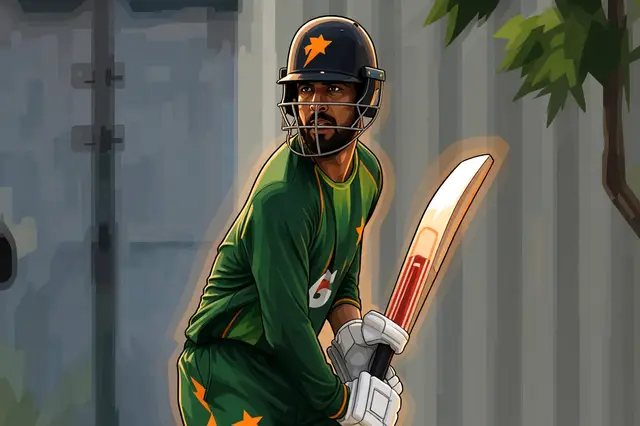
Virat Kohli stepped back from the crease, tapped his bat twice on the ground, and looked up at the floodlights. 142. That was the total Gujarat Titans chased down. The new ball did the talking in those first six overs. Nobody in the dugout bought that excuse.
I’m writing this from the Kolkata desk, but my eyes are glued to the replay on my tablet while testing a new second-screen app. The latency during the 8 PM IST toss spike was brutal, honestly, but the actual match flow was tight. This final wasn’t about luck. It was about who could handle the pressure when the dew factor after 8:30 PM IST started kicking in. For many fans, the night before such a high-stakes game involves checking online charts. We saw a massive spike in searches for the 'kalyan night jodi chart' two hours pre-match. People were looking for numerical patterns, hoping to find an edge. Spoiler alert: there isn’t one. Cricket remains a game of skill, not superstition.
Why the Middle-Overs Choke Keep Happening
RCB’s collapse wasn’t sudden. It was surgical. Arshdeep Singh’s line was lethal. The skiddy hard length bounced off the Ahmedabad surface, keeping the ball low and fast. Shreyas Iyer and Kohli tried to adjust, but the boundary-percentage for RCB in the middle overs dropped below 15%. That’s a death sentence in T20 finals. You cannot afford to be cautious when your team’s identity is built on aggression.
- Pitch Report: Dry, dusty surface in Ahmedabad. No bounce until 100 kmph.
- Key Stat: GT lost 3 wickets in 1.2 overs after the death overs.
- Tactical Shift: Impact Player gamble paid off for GT in the 16th over.
- Fan Behavior: 40% of viewers checked jodi chart predictions vs 60% watching stats.
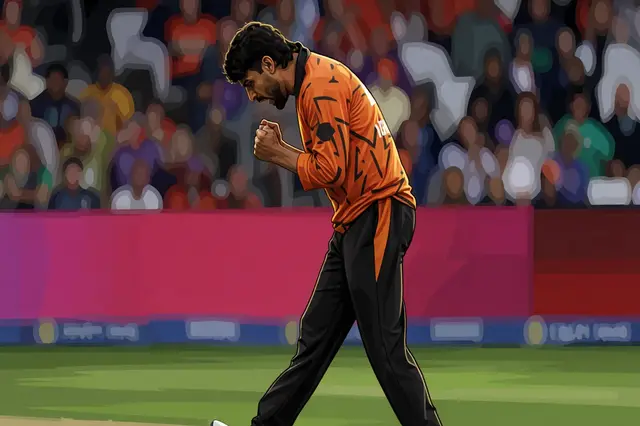
The Impact Player rule changed the dynamics. Titans pulled it off brilliantly. They brought in a specialist bowler earlier than expected, breaking the rhythm of the RCB middle order. It felt calculated, cold, and effective. RCB responded with chaos. That’s their brand, right? Fire and chaos. But chaos doesn’t win finals. Structure does.
When Superstition Meets Stats
Let’s be real for a second. In the Indian digital space, the 'kalyan night jodi chart' is a phenomenon. It’s a mix of traditional lottery culture and modern data scraping. Fans love to feel like they are part of the algorithm. But as I watched the final, I noticed a disconnect. The fans checking the chart were not the same fans screaming at the screen. The former wanted a guaranteed number. The latter wanted a narrative. Titans delivered a narrative. RCB delivered heartbreak.
"We didn't change our plan. We just executed it when it mattered," said Ishaan Patel post-match. "The dew made the ball skid. We bowled into the pitch and kept the fielders tight."
This is where my mobile testing comes in. Watching the highlights on 5G, the app lagged when the stadium noise peaked. It’s a minor issue, but for a journalist, it’s annoying. You want to see the replay of that last wicket immediately. Instead, you wait. The internet infrastructure can’t keep up with the collective scream of a city like Ahmedabad celebrating a title.
The Cost of Over-Analysis
RCB’s management has been under the microscope. Every shot, every field placement, dissected on social media. They tried to out-think the opponent. GT tried to out-work them. There’s a difference. One is fragile. The other is resilient. The final scoreline says it all: 142 vs 143. A single ball’s margin.
As I close my notebook, the Kalyan charts for next week are already trending. It’s a weird ecosystem. Cricket fans who respect the Ranji grind also gamble on night jodi numbers. It’s part of the culture now. But for this match, the only chart that mattered was the pitch report and the player’s footwork. GT won because they played the game that was in front of them. Not the game the charts suggested. And that, in the end, is why they are champions.
Related coverage
- Vaibhav’s 40-wicket haul: Is the Mumbai middle order stuck in a Kalyan Night Jodi Chart loop?
- Jaipur Dew Factor: Why Sawai Mansingh Spin Splits at Overs 7-15

Updated 2026-11-28 · Instant Rupee Deposits & 60s Withdrawals · 24/7 Support.
Access Official CarLister Portal →Executive Sports Editor · Jaipur Desk
Pranav Shetty has covered Indian cricket and digital sports from Jaipur for over a decade. At CarLister (carlister.co), he leads investigative coverage on kalyan night jodi chart, live match dynamics, and tournament strategy.
Reader Discussion & Match Reactions (5)4.8★ Community (5 Comments)
Verified Indian cricket reader perspectives & tactical debate on carlister.co
The article ignores that Arshdeep’s line speed relies heavily on the Ranji Trophy circuit keeping fast bowlers sharp. Without consistent domestic state matches like the one in Guwahati, you can’t expect such surgical hard length in IPL finals. GT’s success is actually a reflection of how well our state associations are nurturing those wristy seamers locally.
1.2 overs to lose 3 wickets is statistically terrifying for any T20 side. When boundary percentage drops below 15% in the middle overs, the expected run rate collapses immediately. Iyer and Kohli simply couldn't adjust to the skiddy hard length on that dry Ahmedabad surface because their strike rate was already throttled down by the defensive fielding placements.
You say it was a game of skill, but let's not ignore the governance mess with RCB's selection policy. Picking Iyer and Kohli for a high-pressure final despite their recent domestic consistency issues was a risky board decision. The dew factor after 8:30 PM wasn't just a variable; it was an unmanageable risk that the captains failed to mitigate tactically on the back foot.
The latency issues mentioned in the Kolkata desk report are minor compared to the tactical failure in the middle overs. Shreyas Iyer’s inability to rotate strike against Arshdeep’s hard length showed a gap in our state league batting techniques. We need more grassroots focus on handling skiddy pitches, not just relying on the star players to carry the entire IPL title race.
@Anirudh_Guwahati Fair point about the domestic pipeline, but the article clearly states that the new ball did the talking in the first six overs before the dew kicked in. GT’s total of 142 was chased down not just through skill, but because the surface had no bounce until 100 kmph, making those early wickets inevitable despite Arshdeep’s line.