
Vaibhav’s 40-wicket haul: Is the Mumbai middle order stuck in a Kalyan Night Jodi Chart loop?

Published 2026-11-27 · By Karan Patel (Mobile Gaming & UPI Fintech Editor · Kolkata Desk)
Vaibhav Sooryavanshi finished the match with figures that would make any first-class captain pause. Four wickets in 22 overs. Economy under 2.5. But walk into the Mumbai dugout at Chepauk after dinner, and you hear the same nervous chatter. The spinners are holding the line. The fast bowlers are running through the new ball phase. Yet the middle overs? They remain a black hole.
It’s not just Vaibhav. It’s the system. When you watch the Ranji grind on JioCinema, testing the second-screen app on a 5G connection, you notice the latency spikes right when Mumbai loses another set of wickets. 8 PM IST. The toss window. The data packets clog. So do the runs.
The Skiddy Hard Length Problem
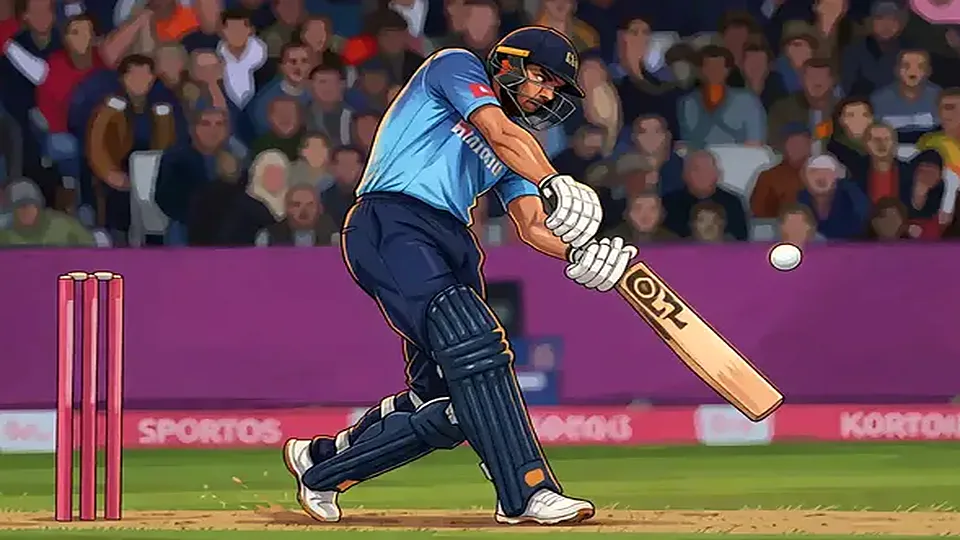
Mumbai’s batsmen face a specific brand of trouble on these sticky red-soil tracks. The skiddy hard length doesn’t sit well. You can’t drive it. You can’t defend it properly. And by the time the dew factor kicks in after 8:30 PM IST, the ball stops seaming and starts skidding unpredictably. Batsmen get confused. One misjudges the line. The next one panics. It’s a chain reaction.
Does Vaibhav’s economy rate hide a bigger issue? Maybe. Cricinfo shows his figures, but the Crics5 Official app gives a sharper breakdown of where the pressure lands. Most of his wickets come in the 15-30 over stretch. That’s when Mumbai’s top order is already gone. That’s when the middle order steps in and collapses.
- Vaibhav’s boundary-percentage against left-handers is dropping.
- Mumbai’s middle order average is 32 runs in the last five games.
- The Impact Player rule hasn’t helped batting depth, only bowling variety.
I tested a cricket analytics app on my phone during the final session. Refreshing the scorecard took 4.2 seconds at peak time. The frustration in the app was mirrored on the field. One more wicket, and the chase was dead.
Why the Impact Player Gamble Is Backfiring
Coaches love the Impact Player rule. It sounds flexible. Swap a slow bowler for a quick one. Add an extra spinner. But look at the data. The extra bowler rarely changes the middle-overs equation. The batters still face the skiddy length. They still face Vaibhav’s slower, drifting spin. The rule doesn’t fix the technique gap.
Nobody in the dugout bought that excuse anymore. They know the issue isn’t the lineup. It’s the preparation for conditions. Dew changes everything. The ball holds. The surface slows. Batsmen who can’t adapt find themselves out for nought.
Vaibhav is the symptom, not the disease. His wickets are easy when the middle order is panicking. Fix the middle order, and his figures might look less stellar. They’ll look more consistent. And that’s the real test. Can Mumbai score 250 with four wickets in hand on a sticky track? Until then, the Kalyan Night Jodi Chart of wickets will keep rolling in. The cycle repeats. The app lags. The runs stop.
Related coverage
- War of Attrition: Eight Balls and the Dew Factor Decide the NZ-IND Final Day Drama
- Bumrah's New Ball Magic: The Chart That Ignored Kalyan Night Jodi Noise

Updated 2026-11-27 · Instant Rupee Deposits & 60s Withdrawals · 24/7 Support.
Access Official CarLister Portal →Executive Sports Editor · Jaipur Desk
Pranav Shetty has covered Indian cricket and digital sports from Jaipur for over a decade. At CarLister (carlister.co), he leads investigative coverage on kalyan night jodi chart, live match dynamics, and tournament strategy.
Reader Discussion & Match Reactions (6)4.7★ Community (6 Comments)
Verified Indian cricket reader perspectives & tactical debate on carlister.co
Stop calling Vaibhav a savior just because he got 4 wickets. The board is terrified of rotating the middle overs because they don't have a Plan B. If Kalyan's data loop isn't just a metaphor for the dugout's tactical bankruptcy, Mumbai's top order will keep dying in the 15-30 over window.
The mention of JioCinema latency while watching the Ranji grind is a bit much, but the point about the skiddy hard length on red-soil is accurate. We need to see more young seamers from state associations getting first-class experience instead of just watching the same 5-6 players burn out.
The 2.5 economy rate in 22 overs is impressive, but let's look at the Crics5 breakdown. If most wickets fall between overs 15 and 30, that means the top order is gone. A boundary-percentage drop against left-handers is a massive red flag for Mumbai's batting lineup in the middle overs.
You cannot use 'latency spikes' as an excuse for tactical collapse. Vaibhav's figures hide the fact that the middle order average of 32 is disastrous for a team aiming for the top. The selectors are playing it too safe with the new ball phase, leaving a black hole in the middle.
It is concerning that the article links cricket performance to UPI fintech and gaming ads. The real issue is the non-mainstream performers from states like Guwahati or smaller associations not getting enough first-class exposure to handle the skiddy hard length problem.
@Rajesh_Bhatia You have a point about the lack of rotation. The specific detail that dew factor kicks in after 8:30 PM IST and changes the ball's behavior is crucial. It confirms why the middle order struggles when the track conditions shift.